Tuesday, November 27, 2012

VISIT WITH ME MEXICO!! JOURNEY TO THE ABORIGINES: TARAHUMARA PEOPLE


VISIT WITH ME now... : TARAHUMARA PEOPLE.  in BARRANCA DEL COBRE / COPPER CANYON in NORTWEST MEXICO - SIERRA MADRE OCCIDENTAL. 


It is wrong to call them the Rarámuri, this is a word that gave the scientists to the TARAHUMARA people, told me a guide in Creel, the city where we stopped to visit the Tarahumara people. 

I am interested in the life of the Tarahumara people, after I really appreciate their somehow stubborn way of life. They are not so easy to be manipulated. 

They live in and above the canyons of northern Mexico's Sierra Madre Occidental, where we were heading on the train, they retreated five centuries ago from invading Spaniards. 
How is the realtionship between the Tarahumara and the rest of 21st-century Mexico? Tarahumara men work on the farms, I have never seen while traveling there in the canyons and mountains a single man working outside, the women are more in the function to be seen and to be in public. The Tarahumara are reticent and private people who live long distances from each other, in small adobe or wood houses, or caves, or homes partway under outcroppings so that the rock itself provides the roofing. They brew an alcoholic beverage from corn, which they grow in small fields they plow by hand, and on celebratory occasions they gather to pass the drink from person to person, taking swigs from a hollowed half gourd, until they become voluble or dreamy or belligerent and lie down on the ground to sleep it off. I saw few of them just sleeping at the streets, or in the church drunk. Women with their children are going to be dependat on the Mexican who bring them the work, and the tourists. 
And how I heard /there is also some movie about their special skill/ they are extraordinary endurance runners, having lived for generations amid a transportation network of narrow footpaths through the canyons; Rarámuri means "foot-runner" or "he who walks well," and they've been known to irritate American ultramarathoners by beating them while wearing huarache sandals and stopping now and then for a smoke. 
On our trip we went on the train, called Chepe - I wrote about this in the last post - from Los Mochis, at the Pacific Coast to Creel (near is Chihuahua, the final station of the train). 
Creel is a small village, it is one of the gates for tourists wh travel by train to discover the life of this native Americans. Aborigines.   This was a day of a full moon. Beautiful! 
The view from the train.... 


Along the train stations on the way to Creel.


They are 60,000 strong in the Sierras, one of the most isolated and independent tribes in Mexico. I like them, their spirist is deployed by aesthetics and spiritual life. 
Children run around the turists and offer humble the products and want some dolar. If you give, and I often gave, there was no thank you for the proffered coin, even if I asked: what do yous say? There was a silence.
 I thought, that this is a part of their proud, which is very strong. I admire this.   
Thanks to the guide we could see how they live... well, it was strange to enter their house! Even if it is open for "everybody" as you can see the cave isn´t any labyrint... but I was feeling that I am not welcome, even they were humble, shy sitting on the ground and watching quietly. As everywhere we were temepted to buy some of their handmade products also here there were ready to offer us some products... so we bought a lot.  

I suppose that the guide does it with a purpose to bring us here, he is also Tarahumara origin, but one who wanted education, who is just one of the socialized and already modern people, there are such ones... 

 This man allowed me a bit... to take a picture... he had a very warm, so far I think here is the winter not so bad, the wood is a very healthy and firm isolation. He told me: in the winter is very warm inside. 
The bedroom-part of the house where Tarahumara people live.

Here you can see the landscape and the wooden houses, they live in.  

The winter is quite sever. I am wondering how they survive in the open cave?! 

And here we entered thanks to the guide the cave... I was feeling strange....

 They cook and maybe also wash themselves here... this was very surprising corner of the cave.
 The aim of the socialized Tarahumara people is the learn the aborigin to deal well with the rubbish, not to leave it in the nature. They collect it at home.
 The bed and sleeping space. I was very sorry to disturb them like a tourist...
But it was a rare moment... to feel it.

Here they selll their beautiful hand-made products, you must buy it... for all your friends, you can have a gift from the trip... and this is a special trip!!


These Tarahumaras wait at the streets, in the nature.... everywhere where they expect the tourists. Well, there aren´t still so many tourists. I met 3 Americans during our trip. So far, still very pure to be there and share the day with them...


This are the products, handmade... they produce it there, while waiting... from the gras, wool, they use the natural material!! It is so nice, lovely... I bought there many things!! It is cheap and you help them to survive, to live their own life not to accomodate to ours. 

This little girl had a book in a hand!! She was reading or maybe just watching the pictures...
I love that girl...she was so pretty with her brother... see their MULTIcolorful clothes ...so beautiful.


They go in the church, they are christianized by the Spanish conquerors. But they have own rituals. 
By the most recent government count, 106,000 Tarahumara live in Mexico, making them one of the largest indigenous groups in North America; the majority still live in relative isolation in the area Mexico promotes as Copper Canyon, but both the place-name and the image of its inhabitants sketched by tourist outfits ("They live a simple life undisturbed by modern technologies," reads one online write-up) turn out to be fragments, understatements, misleading in the neatness of their packaging.


Creel, the former logging center whose present-day economy depends on the scenic railway line that runs through town. Government planners envision a subsequent hotel boom to accommodate eventual jetloads of new tourists. Officials in Chihuahua, the Mexican state encompassing most of the Tarahumara territory, are courting private investors for a proposed canyon-rim complex—bungee jumps, a chasm-spanning gondola, more hotels, and an "Indian village" for the permanent display of "rituals, ceremonies, and clothes"—to be built farther west on the railway route, along what's now a tourist overlook crowded with Tarahumara vendors. The vendors are nearly all women and children, offering the baskets and weavings they have learned tourists like. Girls not yet old enough for school, or old enough but nonetheless spending their days hawking souvenirs, hold up fistfuls of braided bracelets while repeating the first Spanish they ever learned: "¿Compra?—Want to buy?" 


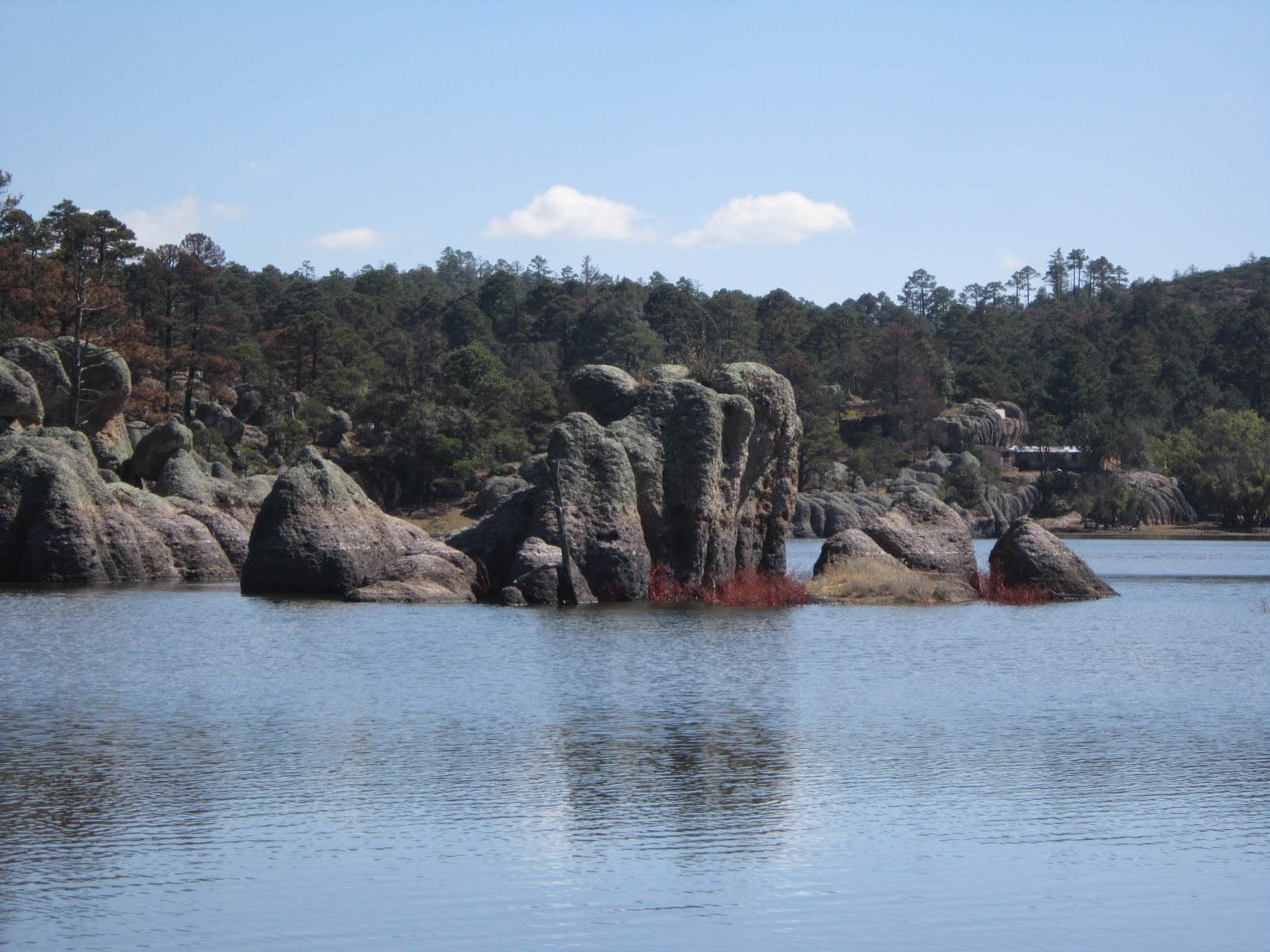
 And the nature in the forests... they live...


See here in another post more about our trip in Mexico, it is worth to discover.... 

Thursday, November 8, 2012

NA CESTĚ PO MEXIKU. - Tarahumarové, El Chepe a číslo 15.

Milena Oda

Dobrodružná cesta po Mexiku na motorce a vlakem. 

Návštěva u domorodců Tarahumarů.


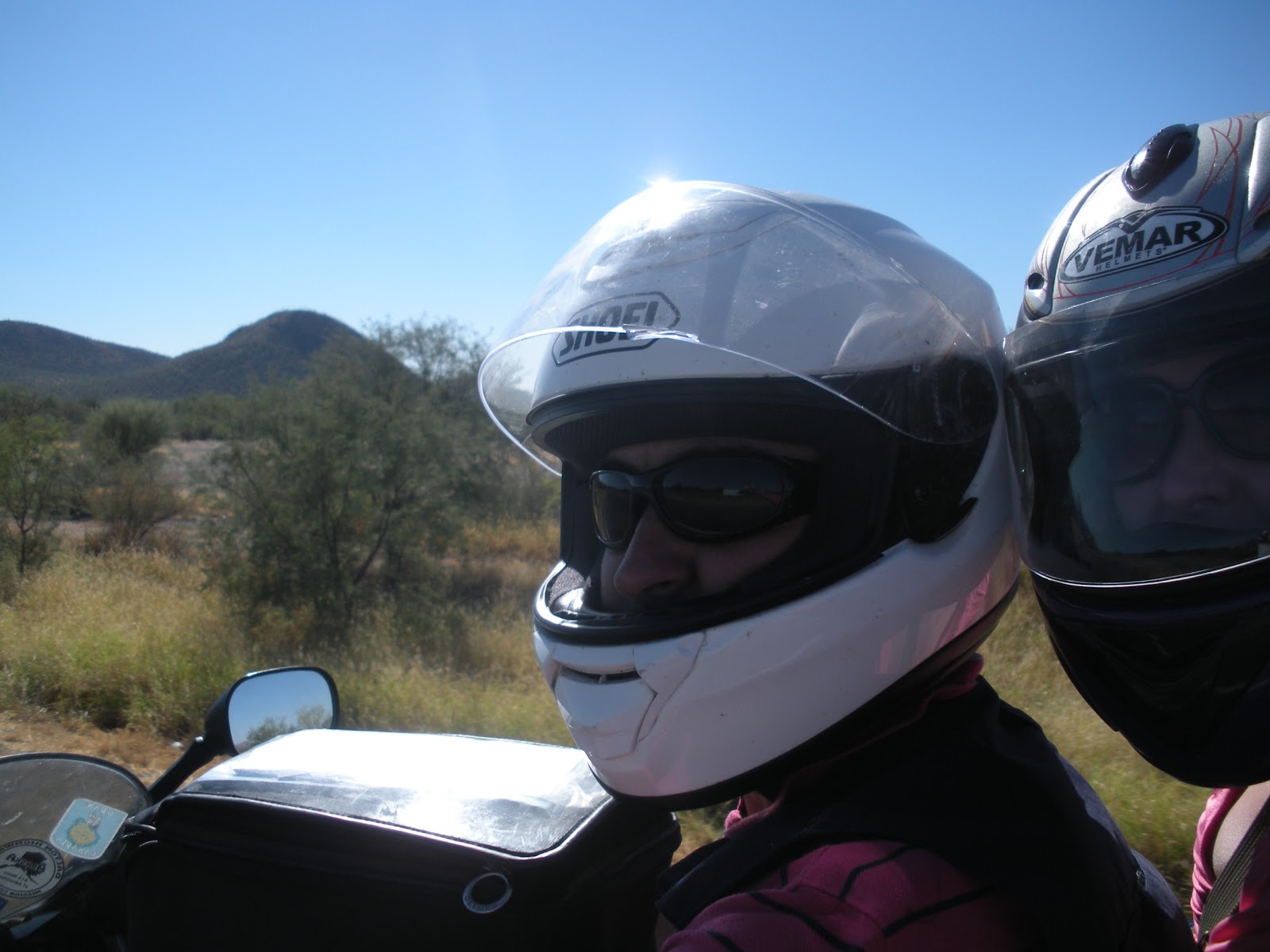
Do Mexika jsem se vydala s přítelem. Je to Španěl, já španělsky ovládám zatím jen základ, tedy jsem měla menší obavy z komunikace. Ale co hlavně jeli jsme na motorce,  jako už častěji po USA. Doporučuji cestovat do Mexika přes Arizonu, zde je přechod zcela klidný a jistý a dálnice ještě není okupovaná drogovými gangy, jako na rozdíl od Tijuany. 
 Obavy jsme měli oba, protože v současné době Mexiko nepatří k bezpezpečným zemím. Drogové gangy ničí lidi, a zemi, jež má v sobě nesmírné bohatství. Nejen surovinové, ale je to skutečně krásná země. Proč jsme jeli do Mexika, když je nyní tak nebezpečná? Hm. Poznat novou kulturu, a pochopit aspoň trochu, v jakém nebezpečí se země nachází. A tím i překročit svoji komfortní zónu. Španělština je zde skutečně nutností, pokud chcete poznat víc než turista. Jsme dobrodruzi. Rychle jsme se španělsky dostali k pravdivým informacím. A ta globální zní: Nikdy nevíš, co bude za minutu, za rohem, s tebou, s rodinou, s okolím. Nic není jisté. Jen smrt. Mexikánci mají zvláštní vztah ke smrti, pocházející od Mayů. Podle nich je narozené dítě „vězněm života“ až smrt ho vysvobodí z vězení. Byli jsme v Mexiku v Den Smrti 1-2.11. a sochy kostlivců, v barevně úžasných kostýmech,  zdobily město, cukrátka měla podobu lebek aj. Nebojí se smrti? Je to jedna z pravd života. 
Hned na hranicích mezi USA a Mexikem je ponuré živo, a pouštní atmosféra Arizony se změní ve zcela opačné klima americká část městečka Nogales v divoké španělské městečko Nogales, kde lidé doufají, že bude líp. Byla jsem i v Tijuaně, tam je situace skutečně nebezpečná, zajela jsem k hranicím tramvají ze San Diega a přešla do Tijuany, tam jsem pobyla pár minut, maximálně hodinu, byla jsem ráda, že jsem se zdravá zase ten den vrátila. Atmosféra je velmi napjatá a ke mě k blondýně se chovali celkem divně... jak jinak.
První naší zastávkou bylo městečko Hermosillo. Tam jsem se setkala s jedním autorem Ricardo Felix s kterým jsem publikovala svoji prozaickou báseň „Ode about Oda and Odin“ v Riu de Janeiru v jedné antologii, a znali jsme se jen z Facebooku, nyní jsem se potkali i v reálu. Bylo to skvělé setkání. A moje první delší seznámení s mexickým životem. Co mě hned trklo do očí. Mexikanci milují sochy a barvy. Sochy vůdců, generálů zdobily každé město. A barevné domy dodávaly smutnému životu sílu a radost. 
Odtud jsme pokračovali dál podél Pacifiku až do městečka, Los Mochis, kde v noci nebyla ani noha. Samozřejmě jsme se ptali, proč. Nedávno se v městě setkaly narkomanské gangy a lidé nesměli vyjít až týden ven.

 Zde video o cestě vlakem: anglicky.

Odtud jsem se vydali vlakem do centralní oblasti čtyř kaňonů, které mají jednotný název Barranca del Cobre – Kaňon mědi – v pohoří Sierra Madre Occidental a jsou větší nez Grand Canyon v USA. Některé oblasti ještě dnes patří k nejneschůdnějším oblastem, proto jsme zvolili vlak a ne motorku. Zde platí zákony přírody, musíte se přizpůsobit přírodě. A nebo zde dnes žijí takzvaní „bandité“, kteří pak přepadávaji obce. Ale hlavně v horách žijí domorodci Tarahumarové, 
 Zde na videu o Kaňonu Mědi vyprávím česky.
původudu uto-aztéckého, kteří se zde kdysi ukrývali před christianizací. Vlak, zvaný El Chepe,  tažený dvěma dieselovými lokomotivami, jež šíleně páchnou, jede 653 jednokolejných kilometrů mnohdy jen po úzkých skalnatých pruzích země, nebo po vybudovaných mostech, které se klenou nad hlubokými propastmi až dech se zaráží, či se stále projíždí nesčetnými tunely, přes více než 50 let. Jízda začíná v Los Mochis a trvá přes 12 hodin až do města Chihuaha, do centralního Mexika. 
 Zde video o kanonu Barranca del Cobre anglicky. 


Jednou se v tomto vlaku stalo, že na jedné stanici místo aby nastoupili lidé, tak vstoupila mafie (bandité) na koních, a okradla všechny cestující, jeden švýcarský turista vše točil na kameru, kameru mu vzali a na místě ho zastřelili, od té doby už vlakem jezdí ozbrojená policie.  Tyhle příběhy se ale turistům nevypráví, my jsme se ptali. Cesta je ale dar, patří k jedné nejkrásnější na světě. Neskutečná nádhera přírody, kterou jsem osobně ještě neviděla... Jen jsem po 12 hodinách byla silně toxikovaná tím dieselem, tak jako všude i auta nemají katalyzátory. Vystoupili jsme v Creel, v centru kaňonů, abychom se dostali k Tarahumarům. I dnes žijí pouze v přírodě, ve skalách nebo v dřevěných domech, bez elektriky. Do měst chodí velmi zřídka, jsou velmi tichý, pokorný. Jak jsem se o nich dočetla jsou výborní bežci. Já jsem žádného ale běžet neviděla. Díky mexickému průvodci, který se nám nabídl u hotelu, i cena za ubytování je vyjednávání, tak i cena za průvodce, jsme je mohli navštívit. Průvodce byl úžasný! Upřímný člověk. Potkali jsme průvodce, kteří byli promiskuitní vůči turistům. Bylo to divné jim chodit do bytu, ač skála byla otevřeným prostorem ven, žádný labyrint.  Vešla jsem, sama bych se k nim určitě nedostala. Do jejich dřevěného domu jsem se také trochu vkradla, mluvili jen málo španělsky. Chtěla jsem vidět, jak žijí, jak přežijí zimu, která je zde jako u nás. Ženy s dětmi se živí tak, že prodávají ručně vyrobené výrobky z trávy, kamenů či vlny. Vkusně udělané výrobky nelze ignorovat, koupila jsem několik, i abych je podpořila, ničí to srdce, jak tam tiše sedí a čekají na turisty. Pohled na ně byl pro mě estetickým zážitkem, jsou oblečeny do tradičních pestrobarevných šatů, červené, zelené či žluté, stejně tak i jejich výrobky mají všechny možné barvy. Pro mě to jsou velmi estetičtí a kreativní lidé. Ženy sedí s dětmi, pletou, turistů (lépe řečeno dobrodruhů)je zde ještě stále málo, díky bohu, my jsme potkali za celý den jen tři (Američany). Mimojiného jak je známo Mexičani nemají rádi Američany, říkají jim gríngo. Což vzniklo z toho, jak přišla americká armáda do Mexika, v zelených uniformách. Mexičani si přáli, aby zas odešli, tak na ně volali: green go! - Zelení jděte! Tedy „gringo“. Často si o mě mysleli, že jsem gríngo. Zde jsem byla skutečně ráda, že jsem Češka. Američani se v Mexiku chovají divně, arogantně, hlasitě, možná jako občas v Čechách Němci, podobná relace i politická. 
Muži chodí pracovat na farmy. Bohužel poslední dobu se stává, že se Tarahumarové často opíjejí. Říká se, že už i oni jsou zapleteny do drogových kartelů a obchodu. Je to smutné. A co je ještě zajímavé, i když přijali křesťanství, jejich víra a obřady jsou stále spojeny s přírodou. Měla jsem to štěstí, že jsem se účastnila jednoho obřadu „vítání Ježíše“, nevím už přesně o jaký svátek šlo. Pro mě byl samotný obřad fascinující. Konalo se to v kostele. Jediné, co oni použili byla socha Ježíše, jinak všechno si přizpůsobili své tradici. V nádherných barevných kostýmech tančily tarahumarské ženy, ti osvícenější, za velmi jednoduché hudby pro početné tarahumary. S oddaností tančily dvě hodiny. Vydržela jsem tam být více než hodinu, i když to bylo stále stejné, ale snažila jsem se vcítit, co to pro ně asi znamená.  Farář byl přitom, nevrle tam chodil s klíčema, jakoby ho tento napůl pohanský tanec nudil. Ale pak se staral o opilé tarahumary, muže, kteří do kostela došli. Bylo mi tak nějak smutno. Vcítila jsem se do lidí, mohla jsem na 14 dní být v jejich bezprostřední blízkosti.
Celkově jak Tarahumarové, tak i Mexičané jsou takový smutný, ale silně estetický lid. Ještě jsem neviděla zemi s tolika barvami jako Mexiko. Barevné oblečení, domy a výzdoby dodává jejich težkému životu vitalitu. Mexičani se mi zdají být ve své duši velmi smutní, zklamaní, ale snaží se. Dělají pro sebe i zemi, co mohou, dokud je v jejich práci nezastaví smrt, která tam číhá na každém rohu. 

Jeli jsme po dálnici číslo 15, ta vede od hranic Arizony-USA až do Guatemaly, je to hlavní dálnice. Číslo 15 je v tarotových kartách číslem ďábla. Ano, jakobych cítíla v Mexiku schovaného ďábla. Na cestě se ale nesmíte bát, ani ďábla. Na cestě mé moto zní: “Live, travel, adventure, bless, and don't be worried.” - Přeložím: "Žít, cestovat v dobrodružství, v požehnání a nemít strach."